Broad support around globe for US-Iran ceasefire
Many world leaders have expressed support for the US-Iran agreement to a two-week ceasefire, which includes reopening the Strait of Hormuz.
Gulf nations like Saudi Arabia, the UAE, Qatar, and Oman have endorsed the conditional deal, while Pakistan, playing a mediation role, also backs the ceasefire.
US President Donald Trump mentioned suspending bombings contingent on Iran’s reopening of the shipping route, with Iran’s Foreign Minister Seyed Abbas Araghchi stating acceptance of the ceasefire if attacks stop.
Trump claimed a “total and complete victory,” and Araghchi thanked Pakistan’s leadership for their mediation efforts.
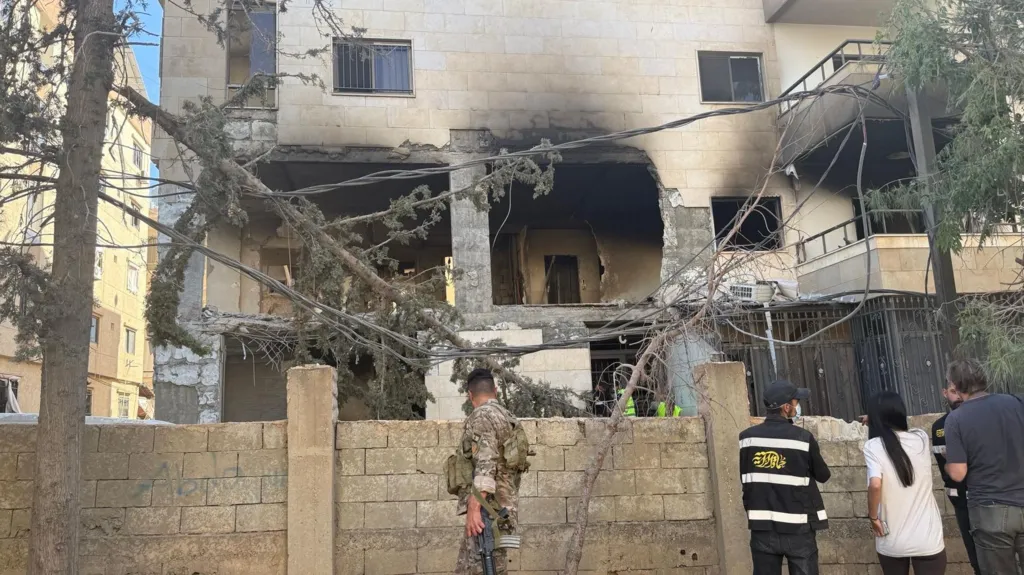
Israel supports the deal but distinguishes it as not encompassing Lebanon, resulting in renewed strikes in southern Lebanon.
Saudi Arabia hopes this ceasefire will lead to comprehensive stability in the region, while the UAE views it as a victory from a war it sought to avoid.
Qatar stresses the importance of adhering to the ceasefire, and Oman calls for intensified resolution efforts.
UK’s Sir Keir Starmer is set to meet Gulf leaders to discuss diplomatic support for the ceasefire, aiming to transition it into a lasting agreement.
Pakistan’s Prime Minister Sharif commended the parties for their engagement in peace efforts and invited delegations for further talks in Islamabad.
Egypt’s Ministry of Foreign Affairs has also welcomed the ceasefire and reiterated its support for regional peace and security.
In Iraq, the foreign ministry emphasized the necessity for “serious and sustainable dialogue” between the US and Iran, focusing on addressing the root causes of disputes and enhancing mutual trust.
Dmitry Medvedev, Russia’s Security Council deputy chair, acknowledged the positive outcome of the ceasefire but cautioned against expecting reduced oil prices.
Following the ceasefire announcement, global oil prices saw a significant decline, particularly benefiting Asian markets, as approximately 90% of oil and gas transit through the Strait of Hormuz is destined for these countries.
Japanese spokesperson Minoru Kihara highlighted the urgency of concrete measures for de-escalation and ensuring safe navigation in the Strait, vital for Japan’s oil imports.
Indonesia and South Korea called for respect for sovereignty and the safe navigation of vessels, respectively. UN Secretary-General António Guterres praised the ceasefire, urging adherence to its terms for lasting regional peace.
European leaders largely supported the ceasefire, while Spain’s Prime Minister Pedro Sánchez expressed the importance of not overlooking the war’s destruction.
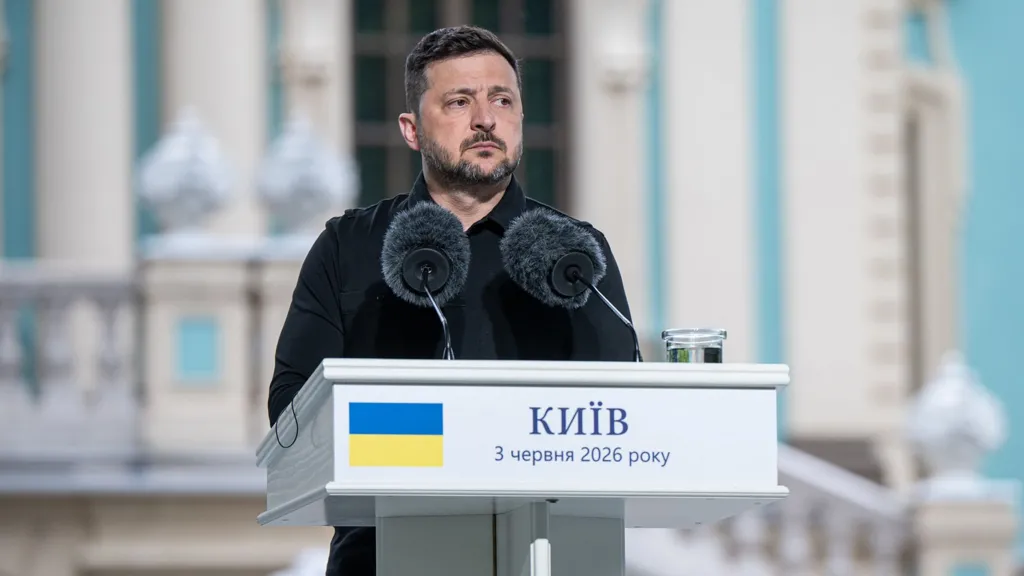
Ukraine, meanwhile, urged the US to refocus on its conflict with Russia, with President Zelenskyy advocating for a ceasefire and continued military support in the region.
EU President Ursula von der Leyen and German Chancellor Friedrich Merz reiterated the need for ongoing negotiations for an enduring solution, with other leaders from Australia and New Zealand acknowledging the ceasefire as a step towards de-escalation but noting that significant work remains to achieve lasting